Ontario Rideshare Accident Lawyers









Tell us briefly what happened and a lawyer will call you back, usually the same business day.
"*" indicates required fields
The transmission or receipt of information through this form does not create a lawyer-client relationship. Please do not send confidential information until a relationship has been established.

Why A Rideshare Crash Is A Different Claim
When you step into an Uber, a Lyft or a taxi, you are trusting a stranger's driving and, behind the driver, a layered set of insurance policies you have never seen. The driver owes you, and everyone else on the road, the same duty of care as any other driver. What changes after a collision is the question of who pays. A rideshare driver is usually an independent contractor using a personal vehicle, covered by a personal auto policy that typically excludes commercial use, a commercial policy arranged by the rideshare company that applies only while the app is on, and, in some periods, both. Which policy responds, and for how much, depends on whether the driver was offline, logged in and waiting, en route to a pickup, or carrying a passenger at the moment of the crash. Getting that answer wrong, or letting the insurers argue about it for a year, is the most common way a rideshare claim goes sideways.
The people who claim after a rideshare collision in Ontario are not only the passengers. Other drivers, pedestrians and cyclists hit by a rideshare vehicle have the same claims, and rideshare drivers themselves, who are on the road for hours a day, are injured by other motorists constantly. Iacobelli Law Firm represents all of them.
What To Do After A Rideshare Collision
Get medical attention the same day, even if you feel fine. Report the collision to the police (in Ontario, any collision with injury must be reported) and, if you were a passenger, report it through the app as well, because the trip record, with its timestamps and GPS, is the evidence that establishes which insurance period applied. Screenshot the trip details, the driver's name and the vehicle before the app clears them. Collect the other drivers' names, plates and insurance details, and witnesses' contact information. Photograph the vehicles and the scene. Do not give a recorded statement to any insurer, including the rideshare company's, until you have spoken to a lawyer. Then call us: the accident benefits application in Ontario has notice requirements measured in days, and the rideshare company's insurer will already be working the file.
Passengers Are Rarely At Fault, Which Is The Point
A passenger in a rideshare vehicle almost never contributed to the collision, which makes theirs the clearest claim on the road: someone else, the rideshare driver, another motorist or both, is responsible, and the passenger's job is to prove the injury, not the fault. That is exactly why insurers move quickly to settle passenger claims for less than they are worth, before the injury has been properly documented. A passenger claim can be brought against both drivers' insurers at once, and the rideshare company's commercial policy generally carries higher limits than a personal policy. Knowing that before the first phone call is the difference between a fair recovery and a fast one.
Ontario Rideshare Accident Lawyers
Iacobelli Law Firm represents passengers and others injured in rideshare and taxi collisions throughout Ontario, from our office in Richmond Hill. Ontario's rules for rideshare insurance are specific, and they sit on top of the same two-track system that governs every motor vehicle claim in the province: accident benefits from an insurer regardless of fault, and a tort claim against whoever caused the crash.
Which Insurance Responds In Ontario
Ontario requires rideshare drivers to be insured for commercial use, and the rideshare companies operating in the province carry policies, approved by the provincial regulator, that cover the driver, the passengers and third parties while the driver is logged into the app. Those policies generally provide higher liability limits than a personal auto policy. When the driver is offline, their personal policy applies, and most personal policies exclude carrying paying passengers. When the app is on but no trip has been accepted, coverage is narrower than during a trip. The trip record settles which period applied, and we obtain it early.
Accident Benefits For Rideshare Passengers
Under the Statutory Accident Benefits Schedule, an injured passenger is entitled to benefits regardless of fault: medical and rehabilitation treatment, attendant care, income replacement and, for the most serious injuries, the higher catastrophic impairment limits. If you have your own auto policy, the claim usually goes there first. If you do not, it goes to the insurer of the rideshare vehicle. The application has strict notice deadlines and disputes go to the Licence Appeal Tribunal, and one of the first things we do is make sure the claim is made against the right insurer so the benefits start.
The Tort Claim
Separately, a passenger, pedestrian, cyclist or other driver injured by a negligent rideshare driver, or by another motorist who hit the rideshare vehicle, can claim against the at-fault driver for pain and suffering, future care, lost earning capacity and the family's losses, subject to Ontario's threshold and deductible rules for motor vehicle claims. A passenger can claim against both drivers where both share fault. The rideshare company itself is rarely a defendant, because its drivers are contractors, but its insurer is the one at the table.
Rideshare Drivers Hurt On The Job
A rideshare driver injured by another motorist has the same accident benefits and tort claims as any driver, with two complications: whether their own personal policy or the rideshare policy responds depends on the app status, and their income loss has to be proved from app earnings rather than a pay stub. We build that record from the trip history.
How Long You Have In Ontario
Under the Limitations Act, 2002, the tort claim generally has to be started within two years of the collision, and the accident benefits application has notice requirements measured in days. Rideshare data is retained on the company's timetable, not yours, and the preservation request has to go out early.
Free Consultation With A Rideshare Accident Lawyer
Contact Iacobelli Law Firm to speak with a lawyer about a rideshare or taxi collision. The consultation is free, by phone, video or in person, and there is no obligation. There is no fee unless we win your case. Call 416-900-1070 in Ontario, or use the form on this page and a lawyer will call you back.
Rideshare Accident Questions We Hear First
The Rideshare Company's Insurer Offered Me A Quick Settlement. Should I Take It?
Not before your injuries have been assessed and you have spoken to a lawyer. Early offers are made because early settlements are cheap, and a settlement signed before a concussion or a disc injury declares itself cannot be reopened.
I Was In A Taxi, Not An Uber. Is It The Same?
Taxis carry commercial insurance at all times, so the app-period problem does not arise, but the passenger's claims are otherwise the same: accident benefits regardless of fault and a tort claim against whoever caused the crash.
The Driver Was Offline And Driving Home. Who Pays?
Their personal auto policy, and if it excludes or limits the claim, your own policy's uninsured or underinsured coverage. This is the period where coverage gaps appear and where a lawyer earns the fee.
What Does It Cost?
Nothing up front. We work on a contingency fee: no fee unless we win your case.
Ontario Resources
Official sources for the steps that come first. They open in a new tab, so this page and our number stay open.


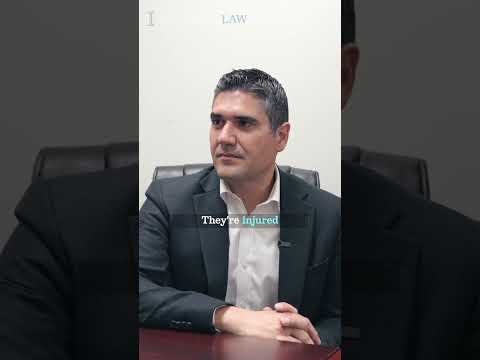

Your lawyer
Andrew A. Iacobelli
Founding Lawyer
Licensed in Ontario, Florida, Texas and Michigan
Read Andrew’s bio →