
Insurance Claim Denial Lawyers









Tell us briefly what happened and a lawyer will call you back, usually the same business day.
"*" indicates required fields
The transmission or receipt of information through this form does not create a lawyer-client relationship. Please do not send confidential information until a relationship has been established.
You Paid For Peace Of Mind
Most of us buy insurance hoping never to need it, and take comfort in knowing it is there. Then the fire, the collision, the medical emergency abroad or the illness happens, the claim is made, and the insurer delays, disputes or denies it. The reasons are familiar: an alleged misrepresentation on the application, a pre-existing condition, an exclusion read as widely as possible, late notice, a dispute over documents, or a valuation a fraction of the loss. Some denials are valid. Many are not, and an insurer that has found a reason to refuse will not volunteer the weaknesses in it. You have rights and remedies. Iacobelli Law Firm represents individuals and families across Ontario whose valid claims have been delayed or denied.
The Claims That Get Denied
Home and property insurance, including fire, water and theft claims disputed on cause, value or disclosure. Auto insurance, including accident benefits and disputes over coverage and fault. Travel medical insurance, denied after an emergency abroad. Private health and extended health plans. Life insurance, which we handle on its own page. Long-term disability, which has its own page as well. Business insurance, including property and business interruption. Critical illness and mortgage insurance. The policy wordings differ; the insurer's obligations do not.
The Insurer's Duty Of Good Faith
An insurer in Ontario owes its insured a duty of good faith: to assess the claim fairly and promptly, to investigate properly, to interpret the policy reasonably and to pay what is owed without using delay as leverage. An insurer that breaches that duty is liable not only for the claim but, where its conduct is unreasonable, high-handed or malicious, for aggravated damages for the distress it caused and punitive damages to deter it. That is why a denial letter deserves a lawyer's review rather than an acceptance: the question is not only whether the claim should have been paid, but how the insurer behaved in refusing it.
Ontario Insurance Denial Lawyers
Iacobelli Law Firm represents policyholders throughout Ontario from our office in Richmond Hill. Ontario's Insurance Act, the statutory conditions written into every property and auto policy, and a substantial body of case law set out what an insurer may and may not do, and the courts have been clear that ambiguity in a policy is read against the insurer that wrote it. We take insurance denial claims on a contingency fee retainer, so you pay no fee unless the claim is won.
Denied Travel Medical Insurance Claims
Canadians who travel, for a vacation, for work or to visit family, buy travel health insurance because out-of-country medical care, particularly in the United States, costs more than most families could ever pay. When an emergency happens and the claim is submitted, some insurers rely on fine print to avoid it: an alleged pre-existing condition, even one that was stable or disclosed; a claim that the treatment was not "emergent" or "necessary"; failure to notify the insurer within a short window while the patient was in intensive care; accusations of misrepresentation on the application; disputes over documentation. We review the policy and the denial, gather the medical and travel records, deal with the insurer and the foreign hospital, and challenge the denial by negotiation or litigation. With Andrew A. Iacobelli licensed in Florida and Texas as well as Ontario, we understand the health care and insurance systems on both sides of the border, and we have recovered denied claims for hospitalization, emergency surgery, intensive care, ambulance and air ambulance, ongoing treatment and out-of-pocket costs after an emergency abroad.
Home, Fire And Property Claims
Property insurers deny on cause (the loss was wear, not a sudden event), on disclosure (the home was vacant, rented, renovated), on value (the estimate is a fraction of the rebuild cost) and on conduct (the claim is alleged to be exaggerated or fraudulent, which voids the whole policy if proved). Each has an answer in the policy wording, the statutory conditions and the evidence, and an early appraisal or expert report often decides it.
Auto And Accident Benefits Disputes
Disputes over statutory accident benefits after a collision go to the Licence Appeal Tribunal and are covered on our accident benefits page. Disputes over coverage itself, whether the policy responds at all, whether an exclusion applies, whether the insurer can void the policy for a misrepresentation, are litigated in court, and an uninsured driver's victim has rights against their own insurer and the Motor Vehicle Accident Claims Fund.
How Long You Have In Ontario
The Limitations Act, 2002 generally gives two years from the denial to sue, and property policies contain statutory conditions with their own notice and proof-of-loss deadlines that can be much shorter. Treat the denial letter as the start of a clock, and do not accept a partial payment or sign a release until a lawyer has reviewed it.
Free Consultation On A Denied Insurance Claim
If your insurer has delayed or denied a valid claim, contact Iacobelli Law Firm for a free consultation. Send us the policy and the denial letter and a lawyer will tell you what the denial is worth. Contingency fee: no fee unless you win. Call 416-900-1070 or use the form on this page.
Home, Fire And Business Insurance Denials
Property and business policies are bought for the day everything goes wrong, and that is often the day the insurer's file becomes adversarial. After a house fire, a flood, a break-in or a loss that shuts a business, a denial usually rests on one of a few grounds: an alleged misrepresentation or non-disclosure on the application, a suspicion of arson or fraud, a policy exclusion read as widely as the insurer can manage, incomplete documentation of the loss, a claimed failure to mitigate, or late reporting. Each of these can be answered, and an insurer that denies a valid claim, or delays it to force a discounted settlement, breaches the duty of good faith it owes every policyholder.
We act for homeowners and businesses in Ontario whose fire, home, business interruption and commercial property claims have been denied or underpaid, on a contingency fee basis where the case allows. Bring the policy, the claim file and the denial letter to a free consultation.
A fire claim in particular is won on documentation and on an independent view of the cause. The insurer will ask for a detailed list of everything damaged, with proof of ownership and receipts where they exist, and a claim can be refused on the ground that documents were never provided. The policy also expects you to take reasonable steps to protect the property from further damage once the fire is out. Where the insurer suspects arson or disputes the cause, a denial based on suspicion alone can be challenged: we bring in our own independent engineers and public adjusters rather than relying on the insurer's investigation. The claim we pursue covers the whole loss, including the damage to the property, temporary living expenses while the home cannot be lived in, and the other costs the fire caused.
Insurance Denial Questions We Hear First
The Insurer Says I Did Not Tell Them Something On The Application. Is The Policy Void?
Only if the omission was material and, depending on the policy and how long it has been in force, only if it was fraudulent. Many of these denials fail on the insurer's own underwriting file.
My Travel Insurer Says My Condition Was Pre-Existing. It Was Stable For Years.
Stability is usually the test the policy itself sets, and a stable, disclosed condition is not a valid ground for denial. This is the most common travel denial we reverse.
The Insurer Offered Less Than Half The Loss. Do I Have To Take It?
No. A partial payment can usually be accepted without prejudice to the balance, but the wording matters; have it reviewed before you sign anything.
What Does It Cost?
Nothing up front. We take insurance denial claims on a contingency fee: no fee unless you win.
Ontario Resources
Official sources for the steps that come first. They open in a new tab, so this page and our number stay open.


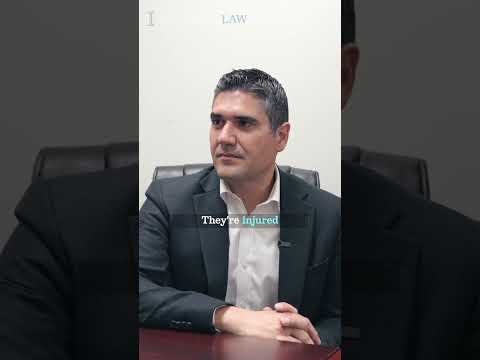

Your lawyer
Andrew A. Iacobelli
Founding Lawyer
Licensed in Ontario, Florida, Texas and Michigan
Read Andrew’s bio →



