
Ontario Car Accident Lawyers









Tell us briefly what happened and a lawyer will call you back, usually the same business day.
"*" indicates required fields
The transmission or receipt of information through this form does not create a lawyer-client relationship. Please do not send confidential information until a relationship has been established.

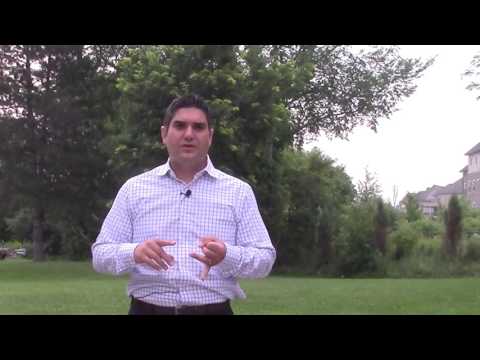
Why A Car Accident Claim Is Rarely Simple
Car accidents account for more personal injury claims than anything else we handle, and it is a mistake to assume that makes them simple. A collision that looks like an obvious rear-end crash can involve a disputed sequence of events, an insurer that treats a soft-tissue injury as nothing, a passenger with a claim against two drivers at once, and deadlines that differ depending on who was at fault and where it happened. The consequences of a serious collision are life-changing, and the difference between a claim that is handled from the first week and one that is handled after the insurer has shaped the file is often the difference between a fair recovery and a fraction of one.

Iacobelli Law Firm's lawyers have recovered millions of dollars for people injured in car accidents and truck accidents, and we handle every kind of collision claim: rear-end and T-bone crashes, intersection and left-turn collisions, head-on collisions, rollovers, multi-vehicle crashes on the 400-series highways, hit and runs, drunk and distracted driving, and single-vehicle collisions where a defect or a road hazard was the real cause. What every one of them has in common is that fault has to be proved, the injury has to be documented from the start, and the insurance available has to be identified before it matters.
What Decides Who Was At Fault
Fault in a car accident is a question of evidence, and the useful evidence is time-limited. The police report and any charges under the rules of the road are the starting point, because a driver ticketed for running a light or following too closely has been found, by an officer at the scene, to have broken a rule that exists to prevent exactly that collision. After that come the things that disappear: dash-cam and intersection camera footage, which is overwritten within days; the vehicles themselves, which are repaired or scrapped; witness memories; and the event data recorder in each car, which stores speed, braking and steering in the seconds before impact. Where the facts are contested, we use accident reconstruction, animation, human factors and biomechanics to demonstrate exactly how the collision happened and who, if anyone, is responsible. That is not an exotic step for a serious injury; it is the standard of proof the insurer's own lawyers will demand.
Sometimes the driver is not the only party. Defective tires that separate, airbags and seat belts that fail, seat backs that collapse, a street light left unrepaired, a bar that served an obviously intoxicated driver, a garage that did the brake job badly: each is a separate defendant with a separate insurer, and each has to be identified early or the claim against it is lost.
What To Do After A Collision
Call 911 and ask for an ambulance if anyone may be hurt, and report the collision to the police even if it seems minor, because insurers fight claims that were never reported and stories change later. If you are able, collect the other drivers' names, license plates, vehicle descriptions and insurance details, and the names and numbers of witnesses. Photograph the vehicles, their positions, skid marks, debris and the intersection before anything moves. Get medical attention the same day, and keep attending treatment; a gap in care is used against you. Do not give a recorded statement to any insurer, including your own, until you have spoken to a lawyer. Then call us, because the deadlines start running on the day of the crash.

Report the collision and your injuries to your own auto insurer as soon as you can, and within seven days. Reporting the claim is not the same as giving a recorded statement. The insurer will open an accident benefits claim and send you a package of forms, and the application for accident benefits (the OCF-1) is due within 30 days of receiving it. We explain each form on our accident benefit forms page.
While you recover, keep your own record. Photograph your injuries regularly as they heal. Keep notes on your treatment, your medication and your pain from day to day. Write down the time you miss from work and the activities you can no longer do. List the extra costs the injury creates, such as home nursing care, help with household chores, or someone brought in to keep your business running while you cannot. Label every receipt and keep them in date order in one folder.
Ontario Car Accident Lawyers
Ontario car accident law is made of three parts. The rules of the road are in the Highway Traffic Act, which sets out right-of-way, speed, signals and the rest, and which the police use when they charge a driver after a collision; those charges are a useful framework for assigning blame. Responsibility for the harm done is a matter of tort law, which allows the injured person to recover their losses from the driver at fault. And Ontario has a no-fault accident benefits system, which pays certain benefits from your own insurer regardless of who caused the crash. An injured person in Ontario usually has claims under both of the last two at the same time, with different rules, different deadlines and different insurers on the other side.
Accident Benefits: The Claim You Make Regardless Of Fault
The accident benefits claim is made to your own auto insurer under the Statutory Accident Benefits Schedule. It funds medical and rehabilitation treatment, attendant care, income replacement and, where the injury meets the definition of catastrophic impairment, substantially higher limits over a much longer period. It is available even if you caused the collision, even in a single-vehicle crash, and even to a pedestrian or cyclist with no policy of their own. The application has notice requirements measured in days, the insurer's assessments and denials come on a schedule, and disputes go to the Licence Appeal Tribunal. Getting the right category of benefits from the beginning, and contesting a wrong one early, has a direct effect on the care you receive while the larger claim proceeds.
The Tort Claim: Compensation From The Driver At Fault
The tort claim is against the at-fault driver, owner or company, and it is almost always defended and paid by their insurer. It is where compensation for pain and suffering, future care beyond what benefits cover, lost earning capacity and a family's losses comes from. Ontario law puts specific rules around pain and suffering damages in motor vehicle cases: a threshold the injury must meet and a deductible that applies in many cases, and both change over time. How the injury is documented from the first week decides whether those rules help or hurt the claim.
What Compensation Can Cover
Economic losses are the measurable costs, and most of them come with a receipt: ambulance fees, medical devices and aids, medication, rehabilitation, psychological counseling, treatment providers, housekeeping and home maintenance, travel to appointments, lost wages, loss of earning capacity and future lost income. Keep every bill and receipt from the day of the collision. Non-economic losses are the harms that cannot be calculated from a receipt: pain and suffering, loss of enjoyment of life, emotional anguish, and for a spouse and family, loss of companionship and care. They are individual to the person injured, and they are where an early, thorough medical record matters most.
How Long You Have In Ontario
Under the Limitations Act, 2002, a lawsuit generally has to be started within two years of the collision. Two years sounds like a long time. It is not, because the steps that improve the recovery, preserving evidence, building the medical record, identifying every defendant, have to be taken well before the limitation date. Some claims have shorter notice periods: a collision blamed on the condition of a municipal road requires written notice to the municipality within days, and the accident benefits application has its own short clock.
The Collisions We See Most Often In Ontario
Highway 400 and Highway 401. Highway collisions happen at 100 km/h or more, and the drivers and passengers involved are far more likely to suffer catastrophic injury or death. The 401 through Toronto and the 400 north through Vaughan and King are where most of the multi-vehicle crashes we handle happen, and they routinely involve commercial trucks, several insurers and drivers from outside Ontario.
Rear-end and multi-vehicle crashes. The vehicle that hits you from behind is usually at fault, but a chain collision on a highway can involve four or five vehicles and as many insurers, and sorting out who caused what requires early investigation, witness statements and often reconstruction before the evidence is gone.
Head-on collisions. Among the most devastating collisions in Ontario, and increasingly caused by distracted driving. Ontario's legislation against hand-held devices has not stopped drivers from texting, and phone records are often the evidence that proves it.
T-bone, intersection and left-turn collisions. Side-impact crashes at a light, a stop sign or a parking lot exit, and left turns across oncoming traffic, produce very serious injuries for the occupants on the struck side and are usually decided by who had the right of way under the Highway Traffic Act.
Rollovers. Often the result of a swerve, a tire failure or a high center of gravity, and often involving a vehicle or tire defect as a second defendant.
Hit and run and uninsured drivers. If the driver who hit you fled and was never found, or had no insurance, you still have recourse: your own policy's uninsured and unidentified motorist coverage responds, and Ontario's Motor Vehicle Accident Claims Fund exists for people with no policy to claim against. These claims require early investigation and prompt notice.
Drunk driving. A claim against an impaired driver is similar to any other negligence claim, with some issues that make it more complex, including a possible claim against the establishment that served them.
Pain And Suffering, Lost Earnings And Family Claims In Ontario
The injuries we see after Ontario collisions range from soft tissue injuries, chronic pain and psychological injury to fractures and orthopedic injuries, spinal cord injuries and traumatic brain injury. How the tort claim treats them turns on a few rules.
Pain and suffering. In a motor vehicle case, damages for pain and suffering are recoverable only where the injury is a permanent and serious impairment. That is the threshold. Whether an injury meets it is decided on the medical evidence, which is why the record built in the first months matters so much.
Lost earnings. The income claim is not limited to the wages you missed. Even if you go back to work, you may be entitled to compensation for reduced earning capacity and a shorter working life. Proving it usually takes medical opinions, a vocational assessment, and actuarial and accounting evidence.
Family claims. Under Ontario's Family Law Act, close family members of an injured person can claim for the loss of guidance, care and companionship, and a deductible applies to those claims too. Where the collision was fatal, the family's claim also includes the income and the household services the person who died would have provided. Our wrongful death page explains those claims.
Free Consultation With A Car Accident Lawyer
Contact Iacobelli Law Firm to speak with a car accident lawyer. The consultation is free, by phone, video or in person, and there is no obligation. We represent victims of accidents and negligence on a contingency fee basis: no fee unless we win your case. Call 416-900-1070 in Ontario, or use the form on this page and a lawyer will call you back.

Uninsured And Underinsured Drivers
When the driver who hit you had no insurance, too little insurance, or fled the scene, your own Ontario auto policy steps in. Uninsured and underinsured motorist coverage on most Ontario policies is at least $200,000 and commonly $1,000,000 or more, and it protects you as a driver, a passenger, a cyclist or a pedestrian. It also follows you: an Ontario policyholder injured in another province or in the United States, where minimum limits are often far lower, can claim against their own Ontario coverage for the shortfall, even when their own car was not involved. The Ontario Court of Appeal confirmed in Schmitz v. Lombard that the limitation period for these claims runs from the day after a demand for payment is made to the insurer, not from the collision, which gives injured people time to find out what insurance the at-fault driver actually had.
Injured As A Passenger
A passenger is almost never at fault, and is almost always covered. If the driver of the car you were in caused the crash, or another driver did, or both, you can claim against the insurance on every vehicle involved. That is true even when the driver is a friend or a family member: the claim is against their insurance policy, not their personal assets, and it is what the policy is for. In a single-vehicle crash caused by the driver, the passenger claims against that driver's insurer. Passengers also receive accident benefits, usually from the insurer of the vehicle they were in.
Distracted Driving Crashes
Ontario's hand-held device ban has not stopped drivers texting, and a distracted driver is a negligent one. Proving distraction is a matter of evidence gathered early: phone records obtained through the litigation, the police file, witnesses, dash-camera and traffic-camera footage, and where the injuries justify it, accident reconstruction and human factors experts. A conviction for distracted driving helps but is not required; the civil claim only has to show it was more likely than not.
Car Accident Questions We Hear First
The Other Driver's Insurer Already Called Me. What Do I Do?
Take their name and number and tell them your lawyer will be in touch. Do not give a recorded statement, do not sign anything and do not accept a quick payment. Insurers move quickly after a crash because early statements and early settlements save them money.
My Injuries Seem Minor. Is It Worth Calling?
Yes. Many serious injuries, including concussion and disc injuries, are not obvious in the first days, and the accident benefits claim exists whether or not you ever sue anyone. A free consultation costs nothing and protects the deadlines.
I Was A Passenger. Who Do I Claim Against?
Potentially both drivers, and your accident benefits claim goes to the insurer of the car you were in or, in some cases, your own. Passengers are rarely at fault, which usually makes theirs the clearest claim in the collision.
What Does It Cost?
Nothing up front. We work on a contingency fee: no fee unless we win your case, and we explain exactly how it works before you decide anything.
Ontario Resources
Official sources for the steps that come first. They open in a new tab, so this page and our number stay open.



Your lawyer
Andrew A. Iacobelli
Founding Lawyer
Licensed in Ontario, Florida, Texas and Michigan
Read Andrew’s bio →


