
Ontario Nursing Home Negligence Lawyers









Tell us briefly what happened and a lawyer will call you back, usually the same business day.
"*" indicates required fields
The transmission or receipt of information through this form does not create a lawyer-client relationship. Please do not send confidential information until a relationship has been established.

When The People Trusted With Care Fail
Families across Ontario place a parent or a spouse in a long-term care home, a nursing home or an assisted living residence because they can no longer provide the care themselves, and they do it trusting that the home will. Most homes honor that trust. Some are more concerned with staffing costs and profit than with the rights and well-being of the people in their care, and the result is injury and, sometimes, death. Residents have the right to quality care and supervision and to a safe environment free from abuse and neglect. When a home fails that duty and a resident is hurt, the resident and the family have a claim, and Iacobelli Law Firm brings it.
What Nursing Home Negligence Looks Like
Falls and fractures. Falls are the most common cause of serious injury in Ontario nursing homes. A home has a duty to assess each resident's fall risk and to put in place the measures the care plan calls for: supervision, mobility aids, bed and chair alarms, safe floors and lighting. Many falls happen because there was not enough staff, staff were not trained, or an established care plan was simply not followed. For an elderly resident a fall means a hip fracture or a head injury, and often the beginning of a decline that ends in death.
Pressure ulcers and infections. Bedsores are painful and preventable; they develop when a resident with limited mobility is not repositioned, kept clean and dry, and monitored. An advanced pressure ulcer is evidence of neglect in itself, and the infections and sepsis that follow are the cause of many nursing home deaths.
Medication errors. The wrong drug, the wrong dose, a missed dose or a dangerous interaction, in residents who take many medications and cannot check them.
Malnutrition and dehydration. Residents who cannot feed themselves depend entirely on staff, and understaffing shows up first as weight loss, dehydration, weakened bones and infection.
Failure to summon medical care. A change in condition that is noticed late, or not reported, so that a treatable illness becomes a fatal one.
Abuse and assault. Physical abuse, rough handling, improper restraints, emotional abuse and isolation, by staff or by other residents the home failed to supervise.
Wandering and elopement. Residents with dementia who leave the home or a secure unit unsupervised, and are injured outside it.
Signs A Family Should Not Ignore
Unexplained bruises, fractures or bedsores. Sudden weight loss. Poor hygiene, soiled clothing or bedding. Over-sedation or a resident who is confused in a new way. Fear of a particular staff member. Falls that are reported late or not at all. Repeated infections. Trust what you see, write it down with dates, photograph what can be photographed, and ask for the chart, which an Ontario resident or their substitute decision-maker is entitled to see. Then report it, and call a lawyer.
Ontario Nursing Home Negligence Lawyers
Iacobelli Law Firm handles serious nursing home negligence and abuse claims throughout Ontario from our office in Richmond Hill. Long-term care homes in Ontario are licensed and regulated by the province, residents have a statutory bill of rights, and the home's duties on care planning, staffing, fall prevention, skin and wound care, nutrition, medication and the prevention of abuse and neglect are set out in legislation and in the home's own policies. A breach of those duties that causes injury or death is the basis of a civil claim, quite apart from any action the Ministry takes.
How To Report A Home In Ontario
In addition to speaking with a lawyer, a family can report concerns about a long-term care home immediately to the Ministry of Long-Term Care through its family support and action line, which is open seven days a week. The Ministry will usually investigate, and its inspection reports, which are public, are often evidence of what the home knew and how long it had known it. Retirement homes and assisted living residences are regulated separately, and complaints about them go to the Retirement Homes Regulatory Authority. A complaint protects other residents. The civil claim is what compensates yours.
What The Claim Recovers
A successful Ontario claim compensates the resident's pain and suffering and the cost of the additional care the injury requires, and where the resident died, the family's losses under the Family Law Act for the loss of guidance, care and companionship, together with funeral expenses. Homes and their operators carry liability insurance, and the claim is defended and paid by the insurer. Where a physician or nurse practitioner's own negligence contributed, the claim is coordinated with our medical malpractice practice.
Evidence And Time Limits In Ontario
The resident's chart, the care plan, the incident reports, the staffing records and the Ministry's inspection history are the evidence, and a request for the full chart is the first step. Under the Limitations Act, 2002, the claim generally has to be started within two years of when the injury and its cause were discovered, and where the resident lacks capacity, it is brought through a substitute decision-maker or litigation guardian. Nothing benefits from waiting; staff turn over and records are amended.
Free, Confidential Consultation
If you believe a loved one has been injured, or has died, because of the negligence or abuse of a nursing home, long-term care home or assisted living residence, contact Iacobelli Law Firm. The consultation is free and confidential, and there is no fee unless we win your case. Call 416-900-1070 in Ontario, or use the form on this page.
Pressure Sores And Bed Sores
A pressure sore, also called a bed sore or decubitus ulcer, develops when a person who cannot move is left in one position long enough for the blood supply to the skin over a bony point, the heels, hips, tailbone and elbows, to be cut off. With proper repositioning, skin care and nutrition, a bedridden resident should not develop one, which is why a pressure sore is so often evidence of neglect. Left untreated they deepen into muscle and bone and lead to infection, sepsis, osteomyelitis, gangrene, amputation and death. If a parent or spouse developed pressure sores in a nursing home or hospital in Ontario, we can obtain the care records and tell you whether the facility met its obligations.
Nursing Home Negligence Questions We Hear First
The Home Says My Mother's Fall Was Unavoidable. Was It?
That is what the care plan and the staffing records answer. If the plan called for supervision or an alarm and it was not there, the fall was not unavoidable.
My Father Has Dementia And Cannot Describe What Happened. Can We Still Claim?
Yes. The claim is brought through his substitute decision-maker, and the evidence comes from the chart, the staff and the injuries themselves, not from his account.
Should I Report The Home Before I Call A Lawyer?
Do both. The Ministry report protects other residents and creates a record; the lawyer protects your family's claim.
What Does It Cost?
Nothing up front. We work on a contingency fee: no fee unless we win your case.
Ontario Resources
Official sources for the steps that come first. They open in a new tab, so this page and our number stay open.


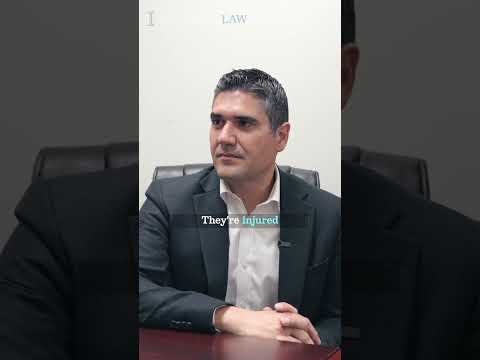

Your lawyer
Andrew A. Iacobelli
Founding Lawyer
Licensed in Ontario, Florida, Texas and Michigan
Read Andrew’s bio →



