
Nursing Home Negligence Lawyers









Tell us briefly what happened and a lawyer will call you back, usually the same business day.
"*" indicates required fields
The transmission or receipt of information through this form does not create a lawyer-client relationship. Please do not send confidential information until a relationship has been established.

Worried About A Loved One's Care? Start Here
Families place a parent or a spouse in a nursing home or assisted living residence because they can no longer give the care themselves, and they trust the home to give it. Most homes honor that trust. When one does not, the harm usually builds quietly: a resident left in one position for hours, a fall that never makes it into the chart. Then it becomes a hospital admission.
Iacobelli Law Firm represents residents of nursing homes, long-term care homes and assisted living residences, and their families, when neglect or abuse causes serious injury or death. We get the home's own records, find out what the care plan required and whether anyone followed it, and hold the home and its operator responsible for the harm.
The Rules Depend On Where The Home Is
How care homes are licensed and inspected, what rights residents have by law, who can bring a claim for a resident who cannot bring it alone and how long a family has to act all depend on where the home is located. Choose your location for the rules that apply.
Where Were You Injured?
What Nursing Home Neglect And Abuse Look Like
- Falls and fractures. A home should assess each resident's fall risk and put the care plan's protections in place, such as supervision, mobility aids and bed or chair alarms. For an elderly resident, one fall can mean a broken hip or a head injury and the start of a long decline.
- Pressure sores. Bedsores form when a resident who cannot move is not repositioned and kept clean and dry. They are preventable, and an advanced one is often evidence of neglect in itself.
- Medication errors. The wrong drug, the wrong dose or a missed dose, given to residents who take many medications and cannot check them.
- Malnutrition and dehydration. Residents who cannot feed themselves depend entirely on staff, and weight loss is often the first sign that staff are stretched thin.
- Missed changes in condition. An infection or illness that is noticed late, or never reported to a doctor, can progress to sepsis.
- Abuse. Rough handling, improper restraints and emotional abuse, by staff or by other residents the home failed to supervise.
- Wandering. A resident with dementia who leaves the home or a secure unit unsupervised and is hurt outside it.
Many of these come back to staffing. A shift with too few aides cannot reposition every resident and answer every call light, and the gaps show up first in the residents who need the most help.
Warning Signs Families Should Not Ignore
Families usually notice before anyone tells them. Unexplained bruises or fractures. Sudden weight loss. A wound nobody mentioned, or a parent who seems newly confused or oversedated. Fear of one particular aide. Repeated hospital trips for infections or dehydration.
Trust what you see. Write it down with dates, photograph injuries where you can, and ask the home in writing for the chart and for its account of what happened. Have your loved one seen by their own doctor. If you believe they aren't safe, moving them comes first. Reporting the home to the agency that licenses it protects other residents and creates a record, but it will not compensate yours. And don't sign anything the home gives you about the incident until a lawyer has reviewed it.
How A Nursing Home Claim Is Proved
A nursing home claim is built largely from the home's own paperwork. That means the chart and the care plan, medication records, incident reports, staffing schedules and inspection history, along with the records of the hospital that treated the injury. We compare what the home wrote with what actually happened, and we work with physicians and nursing reviewers on whether the care met the standard the home owed.
Speed matters more here than in most claims, because staff turn over and charts get amended after the fact. A resident with dementia may be unable to say what happened at all, so the records, the injuries and the people who were on shift carry the case. Most homes and their operators carry liability insurance, and the claim is usually defended by that insurer. Where the resident died, the family's own losses can become part of the claim, such as funeral expenses and the loss of a parent's or spouse's companionship, though who can recover them depends on where the home is.
Nursing Home Negligence Questions
The Home Says The Fall Was Unavoidable. Was It?
That is what the care plan and the staffing records answer. If the plan called for supervision, an alarm or two staff for every transfer, and none of that was in place, the fall was not unavoidable.
My Father Has Dementia And Cannot Describe What Happened. Can We Still Claim?
Yes. A family member or other legal representative usually acts for him, and the evidence comes from the chart, the staff and the injuries themselves rather than from his account. Who can sign for the claim depends on where the home is and on his situation, and it is one of the first things we sort out.
How Long Does Our Family Have To Act?
The deadlines depend on where the home is located, and some claims against care homes require steps before a lawsuit can be filed. Choose your location above for the rules that apply, and call as soon as you suspect neglect so the records can be secured.
What Does It Cost?
The consultation is free and confidential. We work on a contingency fee, so there is no fee unless we win your case.


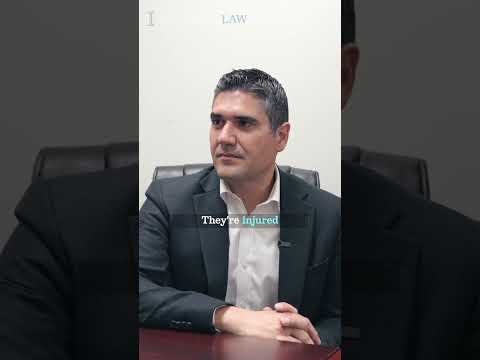

Your lawyer
Andrew A. Iacobelli
Founding Lawyer
Licensed in Ontario, Florida, Texas and Michigan
Read Andrew’s bio →



