Fracture And Orthopedic Injury Lawyers









Tell us briefly what happened and a lawyer will call you back, usually the same business day.
"*" indicates required fields
The transmission or receipt of information through this form does not create a lawyer-client relationship. Please do not send confidential information until a relationship has been established.
Broken Bone After An Accident? Start Here
A serious fracture brings a run of problems at once: surgery to set the bone with plates or rods, weeks in a cast or boot, time off work and months of therapy to get the joint moving again. Then, often right around the time the cast comes off, the insurer suggests the injury has healed and the claim is small.
Iacobelli Law Firm represents people with fractures and orthopedic injuries from collisions and falls. A healed bone is not the same as a healed person. The claim we build measures the lasting effect on work and daily life, including problems that may not appear for years.
The Rules Depend On How And Where You Were Hurt
A fracture from a collision and a fracture from a fall on someone else's property are usually claimed under different rules, and both sets of rules change with the location. Where you were hurt decides which insurance pays first, how the injury is classified for insurance benefits, what notice has to be given and how long you have to act. Choose your location for the rules that apply to your claim.
Where Were You Injured?
Fractures We See In Injury Claims
A bone breaks when the force on it is more than it can bear, and collisions and falls deliver exactly that kind of force. The fractures that lead to claims include:
- Ankle fractures, including trimalleolar fractures, which break all three bony parts of the ankle joint and usually need surgery
- Tibial plateau fractures at the knee, which affect alignment and stability and often lead to arthritis
- Hip, pelvic and femur fractures, common among pedestrians and older adults, and for some the end of living independently
- Wrist and forearm fractures from putting out a hand to break a fall
- Shoulder, collarbone and rib fractures from seat belts, airbags and motorcycle crashes
- Spinal compression fractures from falls from height and rollovers
- Facial and skull fractures, which can come with a brain injury
The type of break matters as much as the bone. A non-displaced hairline fracture may heal in a cast. A displaced fracture, where the broken ends have separated, usually needs surgery to realign and hold it. An open, or compound, fracture breaks through the skin and carries a high risk of infection, and a comminuted fracture shatters the bone into several pieces. When the break runs into a joint, it damages the cartilage, which is why arthritis so often follows.
Complications That Shape A Fracture Claim
Surgery for a serious fracture usually means open reduction and internal fixation. The surgeon realigns the bone and holds it with plates, screws or rods, and recovery takes months. A good result in the operating room does not rule out the complications that drive the value of many fracture claims:
- Infection in the bone, which can mean further surgery
- Non-union, when the bone fails to heal, and malunion, when it heals out of alignment
- Nerve and blood vessel damage
- Hardware that causes pain and has to be removed
- Post-traumatic arthritis, which can end in joint fusion or replacement years later
- Complex regional pain syndrome, a chronic pain condition that can follow a fracture
Some of these appear only after a claim would normally be settled, which is why the surgeon's prognosis matters so much. A claim settled on the strength of a healed X-ray can leave out the knee replacement that was always likely.
What A Fracture Claim Must Prove And Can Recover
The claim has to show who was responsible for the collision or the fall, and then what the fracture has cost and will cost. Insurers fight the second part. They say the bone has healed and the arthritis is just age. The answer is in the surgical reports and the imaging, and in the surgeon's opinion about the future. Depending on where the injury happened, the claim can include:
- Surgery, therapy and future procedures such as hardware removal or joint replacement
- Lost income, and lost earning capacity where the injury ends physical work
- Help with housekeeping, yard work and childcare the person can no longer manage
- Pain and suffering, including permanent restrictions and the arthritis to come
- The losses of family members
How We Handle Fracture Claims
We gather the evidence of how the injury happened while it still exists: photographs, video, witness accounts and, after a fall, the condition of the floor or stairway before anyone repairs it. Then we follow the medical course. We don't settle a fracture claim until the orthopedic picture is clear, because the cost of a second surgery belongs in the first claim. Most fracture claims settle. We prepare each one as if it won't.
Fracture And Orthopedic Injury Questions
My Fracture Has Healed. Do I Still Have A Claim?
Usually, yes. A healed fracture can leave hardware, stiffness, pain, weakness and a higher risk of arthritis. Those lasting effects are what the claim measures, not the X-ray.
The Insurer Blames My Age For The Break. Does That Matter?
It can come up, but it does not excuse the person who caused the accident. A fall or collision that broke a bone is the cause of that fracture, even if a younger person might have walked away. Age often makes an injury harder to recover from, and the claim can account for that too.
How Long Do I Have To Make A Claim?
It depends on where you were hurt and on whether the fracture came from a collision or a fall. Some notice requirements, including some for falls on public property, are measured in days, not years. Choose your location above for the deadlines that apply.
What Does It Cost To Hire A Lawyer?
The first consultation is free. We work on a contingency fee, so there is no fee unless we win your case.


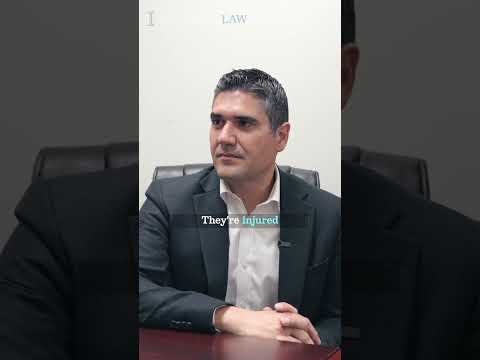

Your lawyer
Andrew A. Iacobelli
Founding Lawyer
Licensed in Ontario, Florida, Texas and Michigan
Read Andrew’s bio →