
Motorcycle Accident Lawyers








Tell us briefly what happened and a lawyer will call you back, usually the same business day.
"*" indicates required fields
The transmission or receipt of information through this form does not create a lawyer-client relationship. Please do not send confidential information until a relationship has been established.

Injured In A Motorcycle Accident? Start Here
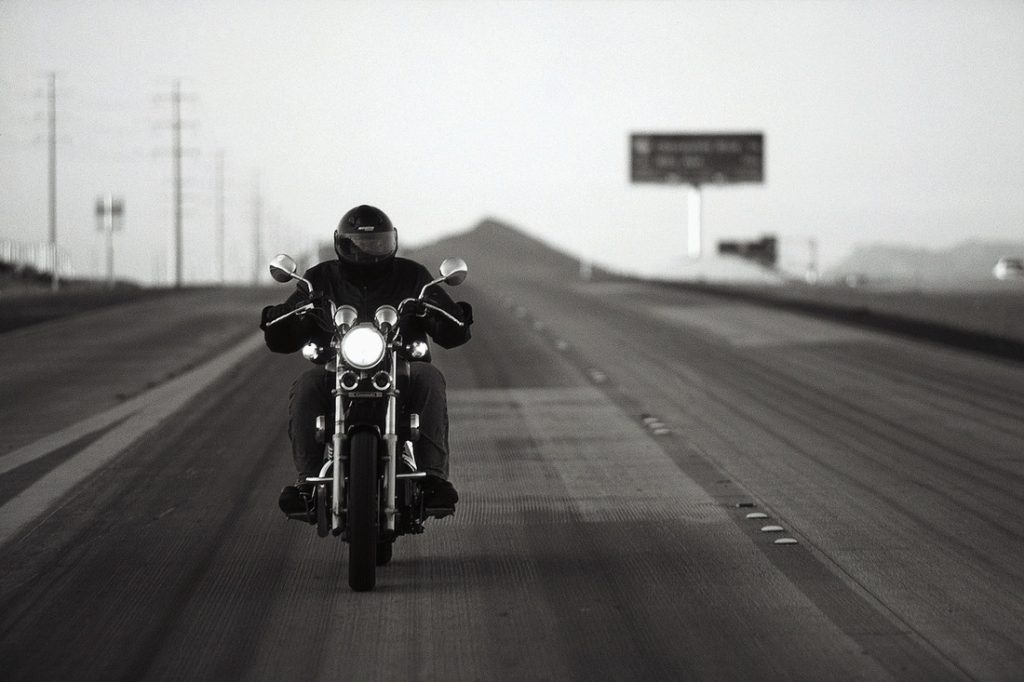
A rider has nothing around them but their gear. When a car hits a motorcycle, the rider takes the whole crash, and even a collision at modest speed can mean broken bones or a brain injury. What makes so many of these cases hard to accept is how they start. Very often the other driver never looked for a motorcycle at all.
Iacobelli Law Firm represents riders who have been seriously hurt on the road, and the families of riders who were killed. A motorcycle claim is not a car claim with two fewer wheels. Insurers question the rider first, so we start with the evidence of what the other driver did, and we build the claim around what the injury will cost over time.
The Rules Depend On Where You Were Riding
Helmet requirements, the insurance that responds after a crash and the effect of a rider's share of the blame all vary with the place the collision happened. So do the time limits to act. Choose your location for the rules that apply to you.
Where Were You Injured?
How Motorcycle Accidents Usually Happen
Riders get stereotyped as reckless. In the crashes we investigate, the decision that caused the collision is usually made in the other vehicle, and the same patterns come up again and again:
- A car turning left across the path of an oncoming motorcycle, at an intersection or into a driveway or parking lot
- A driver changing lanes into a rider, or cutting the bike off in a merge
- A driver pulling out from a side street or stop sign without seeing the motorcycle
- Rear-end collisions in slow or stopped traffic
- A car door opened into the rider's path
- Gravel, potholes and broken pavement that a car barely notices and a motorcycle cannot always ride through
"I didn't see the motorcycle" is the line we hear most often. It isn't an excuse. A motorcycle in its own lane is there to be seen, and a driver who says those words at the scene is describing exactly what went wrong.
The Bias Insurers Bring To Motorcycle Claims
Expect the insurer to look at the rider before it looks at its own driver. You were going too fast. You were in the blind spot. You were weaving through traffic, or you weren't wearing full gear. Every point of blame shifted onto the rider can reduce what the claim recovers, so these arguments get made even when the facts are plain.
Most riders we meet are careful. Many have taken riding courses, and they wear real protective gear. None of that moves an adjuster without proof, and the proof is strongest in the first days: the damage to the bike and to the other vehicle, where each came to rest, the car's event data, dashcam and business video before it is recorded over, and the witnesses who saw the turn. A motorcycle brakes, leans and accelerates differently from a car. Where the facts are disputed, we work with reconstruction engineers who understand motorcycle dynamics and can show what actually happened.
What To Do After A Motorcycle Crash
- Get medical care the same day, even if you rode away. Adrenaline hides fractures and head injuries, and an early record ties them to the crash.
- Report the crash to the police, and make sure your account goes in the report, not only the driver's.
- Keep the motorcycle as it is. Do not repair it, sell it or let an insurer take it until it has been inspected and photographed.
- Keep your helmet, jacket, gloves and boots, including anything cracked or torn. Gear shows where and how you hit.
- Get witness names and phone numbers, and note any cameras on nearby buildings.
- Don't give a recorded statement to the driver's insurer, or accept a payment, before you speak with a lawyer.
Motorcycle Accident Injuries And What A Claim Can Recover
Riders are thrown onto the road or into the other vehicle, and the injuries show it. We see fractures of the legs, pelvis, wrists and collarbone, road rash deep enough to need skin grafts, traumatic brain injury and spinal cord injury. Some riders lose a limb. Because the injuries are worse for the same impact, motorcycle claims tend to be larger than car claims, and the other side fights them harder for exactly that reason.
A claim against the driver at fault seeks:
- Treatment and rehabilitation, including care you will need later
- Wages lost while you recover, and the earning capacity a lasting injury takes away
- Help at home with the things you can no longer do
- Pain and suffering, and the loss of the life you had before, riding included
- Damage to the motorcycle and your gear
- Your family's losses if the crash was fatal
Which insurer pays which of these, and in what order, depends on where the crash happened. The location pages above explain how it works where you were hurt.
Motorcycle Accident Questions
The Police Report Blames Me. Is My Claim Over?
No. A police report is a starting point, not a verdict, and it is often written by an officer who heard only one side. Reconstruction, vehicle data, video and witnesses regularly change the picture.
I Was Not Wearing A Helmet Or Full Gear. Can I Still Claim?
Tell us anyway, and don't assume the claim is gone. The insurer may argue that missing gear made an injury worse, but that does not decide who caused the crash. Plenty of injuries, a shattered ankle for one, have nothing to do with a helmet.
How Long Do I Have To Make A Motorcycle Accident Claim?
That depends on where the crash happened, and some notice requirements come due well before the deadline to sue. Choose your location above for the time limits that apply, and get the evidence secured long before then.
What Does A Motorcycle Accident Lawyer Cost?
Nothing up front. The consultation is free, and we work on a contingency fee: no fee unless we win your case.



Your lawyer
Andrew A. Iacobelli
Founding Lawyer
Licensed in Ontario, Florida, Texas and Michigan
Read Andrew’s bio →



