Florida Traumatic Brain Injury Lawyers








Tell us briefly what happened and a lawyer will call you back, usually the same business day.
"*" indicates required fields
The transmission or receipt of information through this form does not create a lawyer-client relationship. Please do not send confidential information until a relationship has been established.

What A Traumatic Brain Injury Is, And Why It Gets Missed
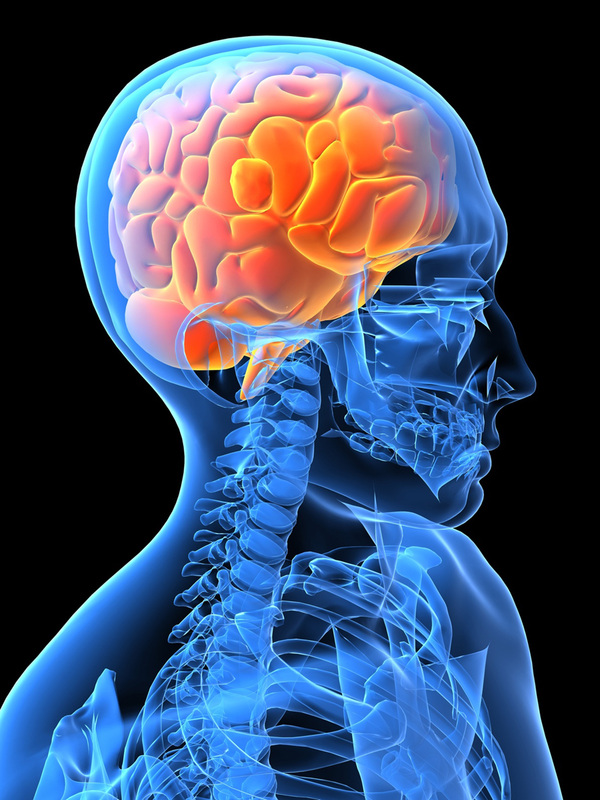
A traumatic brain injury happens when a sudden force damages the brain. Sometimes that is a direct blow, like a head striking a side window or a tile floor. Sometimes nothing hits the head at all, and the brain is thrown against the inside of the skull by the violence of a collision or a fall.
The range is wide. Some concussions resolve. Other injuries leave permanent damage and long-term disability, and some are fatal. A brain injury also isn't always obvious on the day it happens. Symptoms can take time to develop, the injured person is often the last to notice them, and the scans taken in the emergency room are frequently inconclusive.
That last point is where most Florida brain injury claims are fought. The insurer will treat a clean scan as proof that nothing happened. Our work is proving what did.
How Brain Injuries Happen In Florida
Motor vehicle collisions are among the most common causes. Car, truck and motorcycle crashes send enormous force through the head and neck, and highway collisions are behind many of the brain injury claims we see.
Falls come next, especially for older adults and young children, and especially from a height or onto a hard surface. When someone slips on something spilled on the floor of a Florida business, the claim turns on proof that the business knew, or should have known, it was there, which makes surveillance video and inspection logs decisive. Falls on public property are different again: claims against the state, a county or a city carry notice requirements and caps on recovery.
Contact sports such as football, hockey and boxing produce concussions and worse, particularly from repeated impacts. So do construction and industrial sites where basic safety measures are skipped. Who is responsible in each setting is a separate question.
Symptoms Families Should Write Down
Early signs include headaches, dizziness and fatigue. More serious injuries can bring prolonged unconsciousness, seizures or loss of coordination. Then there are the changes no scan will show: memory problems, confusion, trouble concentrating, irritability, anxiety, depression. Some appear right away, others gradually.
Families usually see them first. A spouse notices the same question asked three times in an hour. A parent notices a teenager who can't follow a conversation the way she could a month ago. Write it down, with dates, and make sure the treating doctor hears it. In a Florida claim, the medical record from the first weeks is what later proves the injury is permanent. A symptom that never made it into the chart is very hard to prove a year later.
How Florida Law Treats A Brain Injury Claim
Florida is a no-fault state for motor vehicle injuries, so after a crash the first money usually comes from personal injury protection (PIP) on your own policy, no matter who caused it. Most policies carry a $10,000 limit. Treatment has to begin within fourteen days of the crash or PIP pays nothing, and the full benefit is available only where a physician certifies an emergency medical condition. In a serious brain injury case, PIP is gone quickly.
The claim against the person at fault is where the injury is compensated. To recover for pain and suffering, the injury has to meet Florida's threshold, which includes a permanent injury within a reasonable degree of medical probability and the permanent loss of an important bodily function. A serious brain injury clears it. With a milder injury, permanence becomes a medical question that has to be answered with evidence. Medical bills, lost income and future care beyond PIP can be claimed without meeting the threshold at all.
The 2023 tort reforms changed the timing and the math. The limitation period for negligence claims is now two years under section 95.11 of the Florida Statutes. Florida now applies modified comparative negligence: a person found more than fifty percent at fault recovers nothing, and a person partly at fault recovers a reduced amount. The evidence a jury may hear about medical expenses was narrowed too. For an injury whose full effect can take months to understand, two years is not much time.
One more Florida problem. Many drivers carry no bodily injury liability coverage at all, so uninsured and underinsured motorist coverage on your own policy, if it was not rejected in writing, is often the only real source of recovery after a serious crash.
What A Brain Injury Costs Over A Lifetime
The hardest part usually comes after the hospital. Memory loss, trouble solving problems and difficulty following a conversation can make it impossible to go back to work or to live independently. Some injuries leave physical limitations, including partial paralysis, that require long rehabilitation and assistive devices for everyday tasks.
Personality changes are common, and they are hard on everyone. Depression, mood swings and even aggression strain marriages and push friends away. People stop doing what they used to enjoy. Spouses and parents become caregivers.
A Florida claim has to put a value on all of it: treatment and rehabilitation, future care, lost wages and lost earning capacity, and the pain and suffering of living with a changed mind. That value comes from a life care plan built with the treating physicians and rehabilitation providers, and it has to be built well enough that the defense cannot take it apart.
How We Prepare A Florida Brain Injury Case
Brain injury cases are medical cases as much as legal ones. We work with the injured person's physicians, rehabilitation providers and the other medical professionals the case needs. We identify every defendant and every insurance policy early, because in a serious case one policy is rarely enough.
We prepare each case as if it will be tried, because insurers value a file partly on whether they believe it will be. Andrew A. Iacobelli, a member of The Florida Bar, spent years defending injury claims for insurers before founding the firm. He knows where they look for weaknesses in a brain injury file. Our Florida personal injury overview explains PIP, the threshold and the 2023 changes in more detail.
What To Do In The First Weeks
Get evaluated, and if the injury came from a crash, do it within fourteen days. Keep every appointment and tell your doctors about every symptom, including the ones that feel minor or embarrassing. Expect the at-fault driver's insurer to ask for a recorded statement, and your own PIP insurer to send you to a doctor of its choosing. Don't give the statement, and don't sign anything or accept a payment until a lawyer has reviewed it.
Then contact us. We meet clients where they are, including in the hospital, in rehabilitation and by video.
Florida Traumatic Brain Injury Questions
Can A Concussion Support A Claim In Florida?
It can. A concussion is a brain injury, and medical bills and lost income beyond PIP can be claimed against the person at fault without meeting the threshold. Pain and suffering requires proof that the injury is permanent within a reasonable degree of medical probability, and for a concussion that proof comes from the treating record and the testing that follows over time.
My Scans Were Normal. Is There Still A Case?
Possibly. Inconclusive scans are common in brain injury cases, and insurers lean on them. A claim is built from the whole record: the symptoms, the testing, the treating physicians, and the people at home who saw the change.
How Long Do I Have To Bring A Brain Injury Claim In Florida?
Since the 2023 reforms, the limitation period for negligence claims is two years, and claims against the state, a county or a city carry their own notice requirements. Brain injuries take time to understand, so the investigation should start long before the deadline is close.
What Does It Cost To Hire Iacobelli Law Firm?
Nothing up front. We work on a contingency fee, so there is no fee unless we win your case, and we explain exactly how the fee works before you decide anything.
Florida Resources
Official sources for the steps that come first. They open in a new tab, so this page and our number stay open.