
Premises Liability Lawyers









Tell us briefly what happened and a lawyer will call you back, usually the same business day.
"*" indicates required fields
The transmission or receipt of information through this form does not create a lawyer-client relationship. Please do not send confidential information until a relationship has been established.


Hurt On Someone Else's Property? Start Here
People who own or control property are expected to keep it reasonably safe for the people on it. When they don't, the injuries are rarely small. We see fractures that need surgery, torn ligaments and head injuries, and in the worst cases a family that has lost someone.
Iacobelli Law Firm represents people injured by unsafe conditions on property that someone else owns or occupies, from stores and restaurants to apartment buildings, parking lots, pools and hotels. We start by working out who controlled the property, because that is usually who the claim is against. Then we move quickly to preserve the evidence before the hazard is repaired or the video is recorded over.
The Rules Depend On Where You Were Hurt
The duty a property owner owes varies from place to place, and in some places it changes depending on why you were on the property. The rules on shared fault differ too, as does the time you have to act. Claims involving public property often carry special notice requirements, and in some places those deadlines are very short. Choose your location for the rules that apply to your claim.
Where Were You Injured?
What Premises Liability Covers
Premises liability is the responsibility of whoever owns or controls a property for injuries caused by its condition. Falls are the most common of these claims and have a page of their own. A property can hurt people in plenty of other ways:
- Merchandise falling from shelves or displays
- Collapsing decks, balconies and railings
- Swimming pool injuries and drownings
- Assaults in parking lots, apartment buildings and hotels that were not reasonably secured
- Excessive force by bouncers and security staff
- Elevator and escalator failures
- Fires and carbon monoxide leaks in rental units
- Attacks by a dog the property owner failed to control
- Hazards left within a child's reach, such as an unfenced pool or an open construction site
Whatever form the hazard took, the claim seeks the full cost of the injury, including future medical care, lost income and earning capacity, help at home, and pain and suffering. What can be recovered, and from whom, depends on where you were hurt.
Who Can Be Responsible For An Unsafe Property
Responsibility usually follows control of the property, not just ownership. A shopping plaza can involve the landlord that owns it, the store leasing the space, a property manager and the company hired to clean, maintain or clear snow from the common areas. An apartment building might involve the owner, the management company and whoever last worked on the stairs. Part of our early work is finding all of them, because each one may carry its own insurance.
Landlords and condominium or homeowners' associations are generally responsible for the common areas they control, including the stairs and hallways, the lighting, the locks and the smoke and carbon monoxide alarms. A bar, club or arena that hires security staff answers for how those staff were trained and supervised. That civil claim can go forward against the venue whatever happens with any criminal charge against the person who threw the punch.
Proving A Premises Liability Claim
Being hurt on a property does not by itself make the owner liable. Most of these claims turn on two questions. Was there a dangerous condition that the people in charge knew about, or should have found through reasonable inspection? And did they fix it, or warn about it, in time?
The answers are in the owner's own records: maintenance logs, repair requests, prior complaints and earlier incidents at the same spot. A security claim asks what the owner knew about the risk of crime on the property and whether the lighting, locks, cameras and staffing were reasonable for that risk. More care is expected where children are likely to be present, and a pool without a proper fence or gate is a common example. We send preservation letters in the first days and bring in engineers, building inspectors or security consultants where the case calls for them.
What To Do After An Injury On Someone Else's Property
- Get medical care the same day and describe exactly what happened.
- Report the incident to the owner, manager or staff before you leave, and ask for a copy of the report. Remember that the business writes that report for itself.
- Photograph the condition that hurt you, and the area around it, before it is cleaned up or repaired.
- Get the names and contact details of witnesses.
- Keep anything damaged, including your shoes, your clothing or the item that fell on you.
- If you were assaulted, report it to the police and ask for the report number.
- Don't give a recorded statement to the property's insurer, sign anything or accept a payment before a lawyer has reviewed it.
Premises Liability Questions
I Was Hurt At A Friend's House. Would I Really Be Suing My Friend?
In most cases the claim is paid by your friend's home insurance, which exists for exactly this, and the insurer handles the defense. Most homeowners understand that once it is explained. Whether a guest is owed the same duty as a paying customer depends on where it happened.
The Owner Says I Should Have Seen The Hazard. Does That End My Claim?
Not necessarily. Insurers raise it in almost every case. Whether an obvious hazard affects the claim, and by how much, depends on where you were hurt and on the facts, including whether you had any real way to avoid it.
How Long Do I Have To Bring A Premises Liability Claim?
It depends on where you were hurt. Claims involving public property, and some other kinds of claims, can carry written notice deadlines that are very short. Choose your location above for the deadlines that apply, and call early, because video and witness memories fade faster than any deadline.
What Does It Cost To Hire A Lawyer?
The first consultation is free, and we work on a contingency fee, so there is no fee unless we win your case.


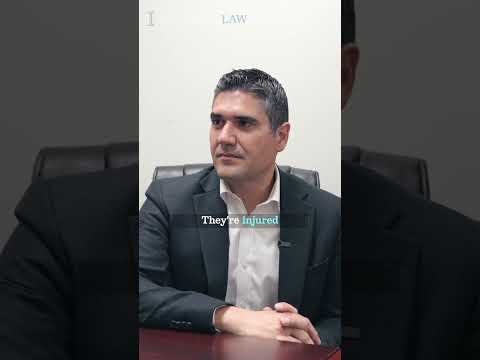

Your lawyer
Andrew A. Iacobelli
Founding Lawyer
Licensed in Ontario, Florida, Texas and Michigan
Read Andrew’s bio →



